The scale’s notes are numbered from 1 to 7. Roman numerals are used to label the basic triad (1-3-5) chords built on each of those notes.
D Major
Chords in the key of
The notes of the D major scale are:
D – E – F# – G – A – B – C#
| I | ii | iii | IV | V | vi | vii° |
|---|---|---|---|---|---|---|
| D | Em | F#m | G | A | Bm | C#dim |
| D major | E minor | F# minor | G major | A major | B minor | C# diminished |
| D - F# - A | E - G - B | F# - A - C# | G - B - D | A - C# - E | B - D - F# | C# - E - G |
Swipe to see all chords →
That’s the diatonic set. If you stay strictly inside the key, these are your friends. The pattern of naming chords for every major key is:
Major, Minor, Minor, Major, Major, Minor, Diminished. Numerals in UPPERCASE (I, IV, V) denote major chords, and numerals in lowercase (ii, iii, vi) denote minor chords.
D Major: Extended Chords
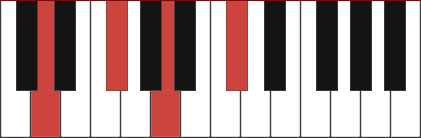
Dmaj7
D - F# - A - C#
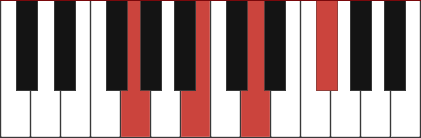
Gmaj7
G - B - D - G♭
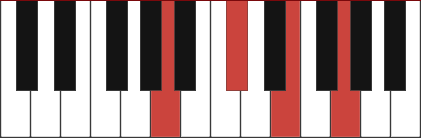
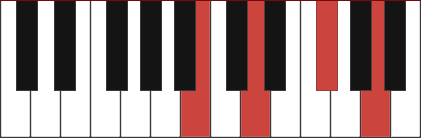
A7
A - D♭ - E - G
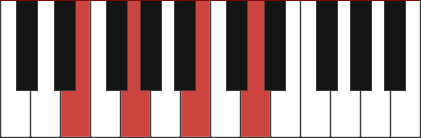
Em7
E - G - B - D
Bm7
B - D - F# - A
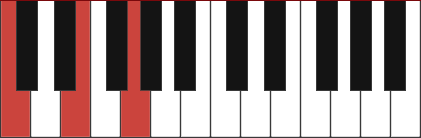
C Major
C - E - G
D Major’s Parallel Minor
Changing between parallel keys can feel bold, emotional, and cinematic.
These notes come from the D natural minor scale (F, B♭, and C), and are commonly borrowed individually to colour chords in D major:
| ♭III | iv | v | ♭VI | ♭VII |
|---|---|---|---|---|
| F | Gm | Am | B♭ | C |
| F major | G minor | A minor | B♭ major | C major |
| F - A - C | G - B♭ - D | A - C - E | B♭ - D - F♮ | C♮ - E - G |
Swipe to see all chords →